
Teen Driving Safety in the COVID-19 Era Report
Teen drivers have always been at greater risk of accidents than more mature drivers.
According to the Insurance Institute for Highway Safety (IIHS)Fatality Statistics Detail Teenagers Topics, “the fatal crash rate per mile driven for 16-19 year-olds is nearly 3 times the rate for drivers ages 20 and over.”
And now we’re dealing with an added driving complication: the COVID-19 (coronavirus) pandemic. The viral outbreak is having an interesting impact on drivers in general and on teenage drivers in particular. Today’s drivers are more anxious, are driving to and from vacation destinations instead of flying, and are failing to disinfect their vehicles regularly. Then there’s the fact that many driving students have been unable to complete the standard driver’s ed requirements due to restrictions on face-to-face interactions during the pandemic.
Despite all this, an impressive 81% of parents of teen drivers say that they trust their teen to drive safely according to a recent survey conducted by Aceable.
With National Teen Driver Safety Week (October 18 through October 24) on our minds, we want to explore driving safety for teens during the pandemic. What makes teens risky drivers? How is the coronavirus impacting their transition from student driver to licensed driver? And what can parents do to promote safe driving practices for their teens in the age of COVID-19?
The Coronavirus is Creating Additional Concerns for Drivers
Before we discuss teens specifically, let’s look at a few of the ways COVID-19 has created additional concerns for drivers in general.
The Aceable survey found several interesting coronavirus-related driving issues: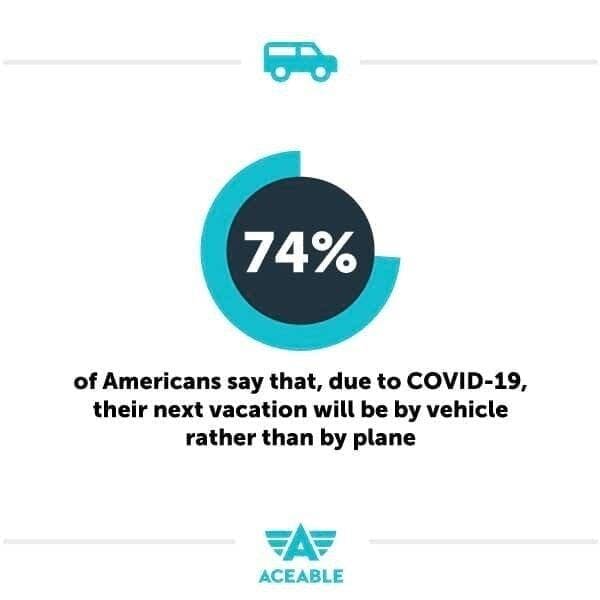
74% of Americans say that, due to COVID-19, their next vacation will be by vehicle rather than by plane. This increased vehicle travel, particularly over the holidays, could potentially result in more accidents than we would see in a normal year when Americans prefer to travel by plane over long distances. Fatigue can be particularly dangerous on these long-distance trips. The NHTSA reported over 91,000 drowsy driving crashesDrowsy Driving Risky Driving in 2017 alone.
20% of drivers say that the COVID-19 crisis has made them a more anxious driver. Living in the age of the pandemic has had adverse psychological effects on most of us. The Coronavirus presents a constant stressor in our lives. Only a few months into the pandemic, Dartmouth College found a notable increase in the anxiety and depression2020 07 200727114731.htm Releases of college students. These general feelings naturally impact every area of our lives, including driving. Studies have shown that high levels of anxiety can reduce reaction times2209744 High Levels Of Anxiety Can Slow Down Your Reaction Times Article, and since reaction times are critical on the road, anxiety could be producing worse drivers.
12% of drivers have admitted to drinking and driving since the beginning of the pandemic, and 10% admitted to driving after smoking marijuana. Researchers have found a “staggering” increase in depression and anxiety934882 Viewarticle linked to the coronavirus. And some Americans may be self-medicating with substances that impair their ability to drive safely.
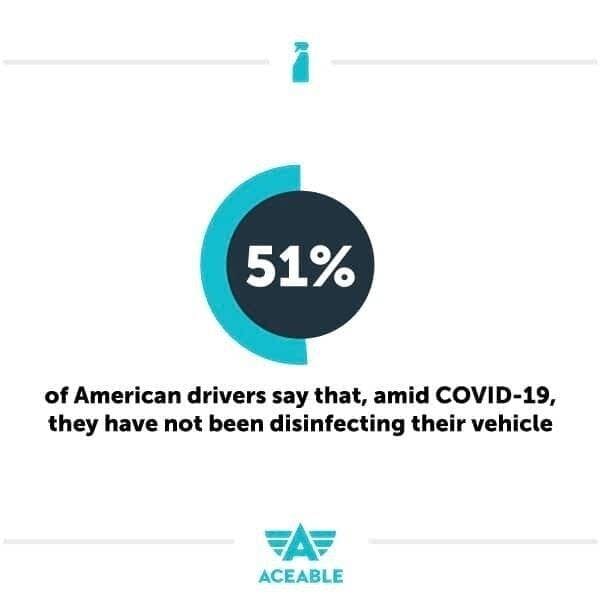
51% of American drivers say that, amid COVID-19, they have not been disinfecting their vehicle. Vehicle safety isn’t only about traffic safety during a pandemic. There is also the risk of contracting the virus from other passengers in a vehicle. Regularly clean your vehicle with disinfectantsTips Safe And Fun Road Trip Blog that contain at least 70% alcohol, and avoid using chemicals like bleach and hydrogen peroxide, which can damage your vehicle’s finishes. It’s also wise to assume that other vehicles you enter have not been disinfected. It’s a good idea to carry disinfecting wipes with you so you can quickly wipe down surfaces of other vehicles.
These additional challenges of driving in the COVID-19 era are making driving more difficult for everyone. But teens are especially vulnerable.
Teens Don’t Always Practice Safe Driving Habits
Unfortunately, teens have an inherent disadvantage when it comes to safe driving: a lack of experience. Teens simply don’t have as much practice operating a vehicle as older drivers. Weather conditions, like rain and snow, create additional risks for teens who don’t yet have a feel for driving on slick roads.
The more teens practice driving, the safer they become, but it takes time. By the time teens turn the corner into their twenties, they’ve gained enough experience to be safer drivers, statistically. This is why we see the risk of fatal accidents drop significantly for drivers over 20 years old.
But inexperience certainly isn’t the only factor preventing teens from driving safely. The CDC’s Motor Vehicle SafetyArchive.cdc.gov information page cites several additional causes for the increased driving risk of teenage drivers, including:
Speeding.
Failing to use a seat belt.
Distraction by teenage passengers.
Nighttime driving.
Alcohol consumption.
These factors have impacted teenage drivers (and some older drivers as well) since the invention of vehicles. But today’s teen drivers have additional distractions to contend with. While technological advances in auto safety features have saved lives, technology is also making it more difficult than ever before to drive safely.
In that Aceable study, 46% of parents of teen drivers say that they’ve witnessed their teen driver use their phone while he/she was driving. As you’ve likely personally witnessed on the road, phones constitute a severe driving distraction with potentially disastrous results. According to the National Highway Traffic Safety AdministrationApi Public ViewPublication 812931 Crashstats.nhtsa.dot.gov (NHTSA), 9% of all fatal accidents for teenage drivers could be attributed to distracted driving in 2018.
But there is also some good news on this front: handheld cellphone use has been trending downApi Public ViewPublication 812818 Crashstats.nhtsa.dot.gov over the last decade. In 2009, 7.6% of drivers between the ages of 16 and 24 were guilty of regularly holding their phones while driving. This percentage was down to 3.6% as of 2018.
Laura Adams, a senior education analyst for Aceable, says, “To encourage and enforce safe driving behaviors, parents should consider completing a parent-teen driving contract with young drivers. Creating a written document is an excellent way to explain what’s safe and the types of behaviors you expect your teen to do and not do. Include the consequences of violating the agreement, so teens know what happens if they don’t comply.”
Driver Training May Be Limited Due to the Coronavirus
So teens are already the riskiest driving group due to inexperience and distractions. And with the 2020 outbreak of the Coronavirus, teens may be getting less driving instruction and practice than in previous years. Most U.S. states issued stay-at-home orders of some kind during 2020, which prevented student drivers from attending driver’s ed courses and behind-the-wheel driving instruction.
States like GeorgiaBest States Articles 2020 04 30 Georgia Drivers Can Get A License Without Road Test During Covid 19 News, WisconsinPages Online Srvcs Other Servs Duplicate License.aspx Wisconsindot.gov, MississippiReopening_information, and TexasLOFS.htm DriverLicense even waived the practical driving test requirement, allowing new drivers to get a driver’s license without proving their competence behind the wheel.
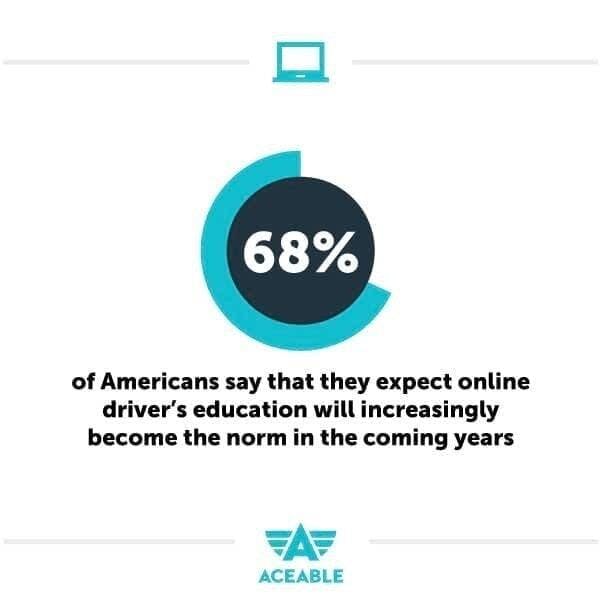
Luckily, a growing number of statesWhich States Allow Online Drivers Education Blog allow driver’s ed courses to be taken online so student drivers can have access to quality driving instruction from the safety of their own homes. These state-approved online driver’s ed coursesDrivers Ed cover everything that would typically be covered in the classroom instruction of traditional driver’s ed. Americans are generally comfortable with this change. Sixty-eight percent of Americans say that they expect online driver’s education, taken instead of in-person classes, will increasingly become the norm in the coming years.
Most states still require an in-person training component of driver’s ed for the behind-the-wheel instruction, but even this is changing. TexasParenttaught.htm DriverLicense, for example, is allowing parents to jump in the front seat to handle the behind-the-wheel portion of their teen driver’s training. This parent-taught driver’s ed modelParent Taught Drivers Ed Guide Blog gives parents more control over their teen’s driving education. This added control could lead to increased comfort for parents as they get to see their teen’s progress first-hand.
This may be why so many of the parents surveyed trust their teen to drive safely. But what else can you do to help your teen become a safer driver?
Ways to Promote Safe Driving Practices Among Teens in the Age of COVID-19
Looking for more driving resources?
Enter your email for deals, study materials, car maintenance tips, insurance savings, and more.